


8jl | The Intriguing World of Strategy Games: A Deep Dive into Tactical Mastery
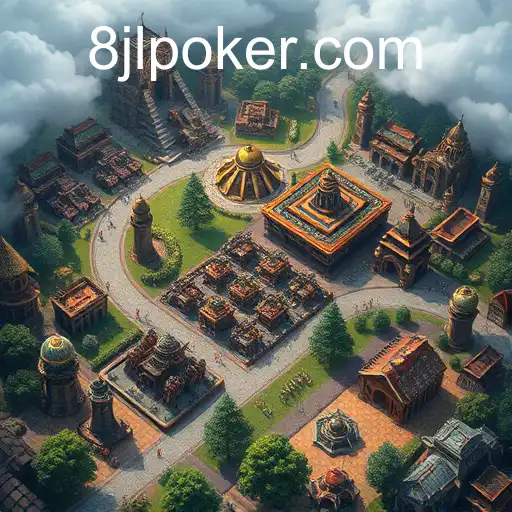
In the vast realm of gaming, few categories offer the level of intellectual engagement and tactical depth that strategy games do. Whether you're commanding a vast army across a historical battlefield or managing resources in a complex simulation of interstellar conflict, strategy games provide a unique platform for players to exercise their minds. This genre's appeal lies in its challenge to think critically, plan ahead, and adapt to ever-evolving scenarios.
Strategy games have a rich and varied history. They trace their origins back to the classic-style board games like Chess and Go, which have long been appreciated for their strategic complexities. With the advent of video gaming, these traditional elements were transformed into more dynamic, interactive experiences. Early computer games like 'Dune II' and 'Civilization' introduced many to the realm of real-time strategy and turn-based strategy games, setting a benchmark for future developments.
The core of strategy games, whether they are real-time (RTS) or turn-based (TBS), lies in their requirement for players to employ strategic planning and tactical execution. In RTS games, decisions are made on-the-spot, forcing players to think quickly and manage resources and units under pressure. TBS games, on the other hand, offer a more reflective pace where each move can be carefully considered, akin to a chess match.
Over the years, the strategy genre has expanded to include sub-genres such as tower defense, MOBA (Multiplayer Online Battle Arena), and 4X (Explore, Expand, Exploit, Exterminate) games. Each sub-genre brings its unique twist to strategy gaming, widening the spectrum of how strategic challenges are presented and experienced.
Online connectivity has significantly impacted the growth and popularity of strategy games, introducing multiplayer options that enable players to test their tactical skills against others worldwide. The competitive scene, highlighted by popular titles such as 'StarCraft II' and 'League of Legends', has become a significant part of the global esports landscape.
The future of strategy games looks promising with advancements in AI, enhanced graphics, and immersive storytelling. As developers continue to push the boundaries of what's possible, gamers can expect even more innovative and engaging experiences. From challenging campaigns and intricate strategies to the joy of micron-managing virtual empires, the world of strategy games remains a haven for those who delight in critical thinking and strategic prowess.
